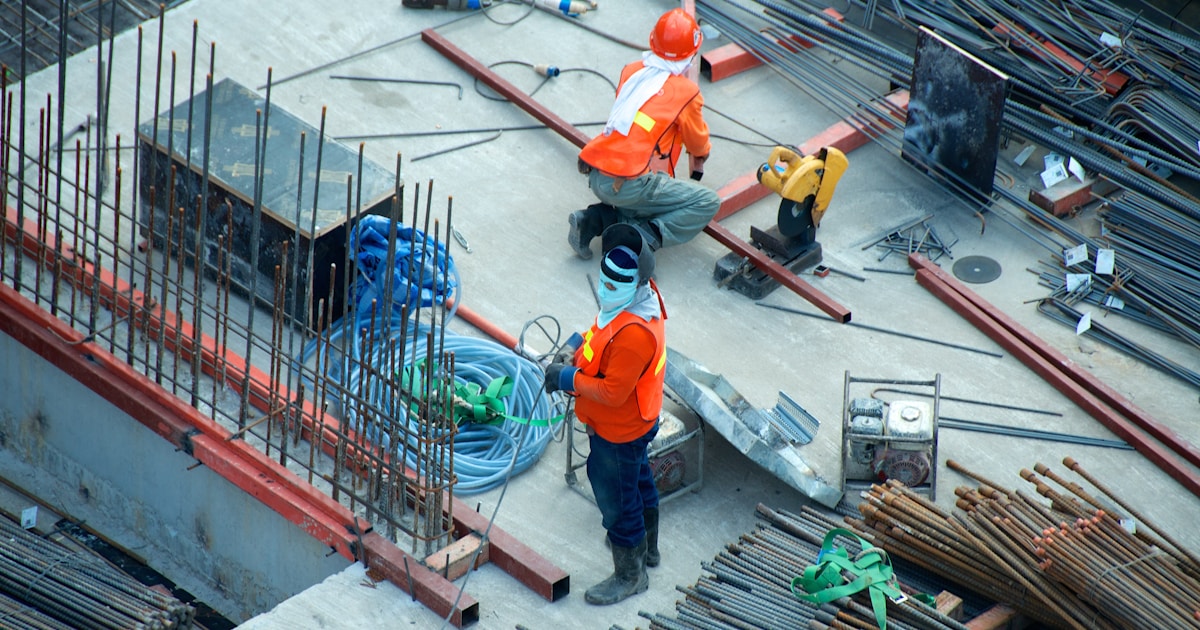
Why construction site inductions matter
Every person entering a construction site should receive a site induction before starting work. This is not bureaucracy – it is how you communicate the specific hazards, rules, and emergency procedures for that site. A worker who has been on a hundred sites still needs an induction on yours, because every site is different.
The legal foundation comes from the Construction (Design and Management) Regulations 2015 (CDM 2015), which requires principal contractors to provide site inductions covering health, safety, and welfare arrangements. But beyond legal compliance, inductions prevent accidents. Workers who understand site-specific risks make better decisions.
The challenge for many contractors is making inductions effective without them becoming a time-consuming checkbox exercise. This guide covers what to include and how to deliver it efficiently.
Legal requirements under CDM 2015
CDM 2015 places specific duties on principal contractors regarding site inductions. Regulation 13 requires principal contractors to provide every worker with suitable site induction where this is not provided by their own employer.
The HSE guidance document L153 elaborates on what suitable means: the induction should be relevant to the site and work being undertaken, cover significant risks and control measures, ensure workers understand emergency procedures and welfare arrangements, and be proportionate – comprehensive but not overwhelming.
There is no prescribed format. Inductions can be delivered in person, through video, or via interactive systems. What matters is that the information is communicated effectively and workers understand it.
Related reading: Supplier compliance checklist for UK businesses
Essential content for construction site inductions
While every site has unique features, certain elements should appear in every induction.
Site overview and access
- Site address and access points – where to enter and exit
- Sign in/sign out procedures – essential for emergency roll calls
- Site working hours and any access restrictions
- Parking arrangements
- Delivery procedures
Site rules and standards
- Required PPE for different areas (minimum standards)
- Prohibited items – alcohol, drugs, weapons
- Smoking areas and restrictions
- Use of mobile phones and other distractions
- Housekeeping expectations
- Speed limits for vehicles
Key hazards and controls
Cover the significant risks specific to your site:
- Working at height – edge protection, exclusion zones, harness requirements
- Excavations – ground conditions, shoring, permit requirements
- Traffic management – pedestrian routes, vehicle movements, banksmen
- Lifting operations – crane exclusion zones, signal protocols
- Services – underground cables, overhead lines, live services
- Hazardous substances – asbestos, silica, chemicals on site
Emergency procedures
- Fire alarm sound and evacuation procedure
- Assembly points
- First aid arrangements – location of first aiders and first aid kits
- Accident and incident reporting procedures
- Emergency contact numbers
Welfare facilities
- Location of toilets, washing facilities, and changing rooms
- Rest areas and meal facilities
- Drinking water locations
Communication and reporting
- Site management structure – who to report to
- How to report hazards, near misses, and concerns
- Permit to work requirements
- Toolbox talk arrangements
See how it works: MyTrainingTracker records induction completions and maintains evidence for compliance audits.
Visitor and contractor inductions
Not everyone on site needs the same level of induction. Tailor the depth to the duration and nature of their visit.
Full site induction
For workers who will be on site regularly or for extended periods. Covers everything above in detail. Typically 20-45 minutes depending on site complexity.
Short-term visitor induction
For visitors, delivery drivers, and others with limited site access. Covers essential safety rules, PPE requirements, emergency procedures, and where they can and cannot go. Typically 5-10 minutes.
Escorted visitor protocol
For brief visits where someone will be accompanied throughout. Cover basic hazards and stay with them at all times. May be as short as a verbal briefing.
Whatever the level, record that it happened. A sign in sheet noting induction completion provides evidence of compliance.
Making inductions effective
A 45-minute PowerPoint presentation at 7am on a cold morning does not create engaged, safety-conscious workers. Think about how to make the information stick.
Keep it relevant
Workers tune out when information does not apply to them. If possible, tailor inductions to the work being done.
Use visual aids
Site photos showing actual hazards and controls are more memorable than generic stock images. Show your traffic routes, your scaffold, your exclusion zones.
Make it interactive
Ask questions rather than just presenting. What would you do if you saw this? creates engagement. Brief quizzes at the end confirm understanding.
Site walk
Where practical, include a physical walk of the site showing key locations – welfare facilities, assembly points, restricted areas. Seeing is more effective than describing.
Recording and managing inductions
You need evidence that inductions happened. At minimum, record: name of person inducted, company they work for, date of induction, who delivered it, and confirmation they understood.
For larger sites, paper registers become unwieldy. Digital systems allow instant access to who has been inducted, flag people who have not, and generate reports for audits.
Explore the platform: MyTrainingTracker manages induction records across multiple sites with automatic reminders for refreshers.
Common induction failures
Generic content
Using the same presentation for every site without customisation. Workers recognise irrelevant content and disengage.
Too long and too detailed
Trying to cover everything overwhelms people. Focus on what they need to know to work safely.
No verification of understanding
Delivering information without checking it landed. Simple questions confirm comprehension.
Poor records
Being unable to prove who was inducted when. If HSE investigates an incident, you need evidence.
FAQs: construction site inductions
Who is responsible for site inductions?
Under CDM 2015, the principal contractor must ensure all workers receive suitable site inductions. In practice, principal contractors often deliver inductions directly or delegate to competent site managers.
How long should an induction take?
Long enough to cover essential information effectively, short enough to maintain attention. Full inductions typically run 20-45 minutes. Visitor inductions can be 5-10 minutes. Quality matters more than duration.
Can inductions be delivered online?
Yes, for the general content. Many contractors use video or online modules for standard information, followed by a site-specific briefing on arrival.
Do inductions need to be repeated if someone moves between sites?
Yes. Each site has unique hazards, rules, and emergency procedures. A worker inducted on one site still needs induction when they move to another.
Building better site inductions
Effective construction site inductions balance thoroughness with practicality. They communicate essential information in ways that workers remember and apply. And they create records that demonstrate compliance.
The sites with the best safety records do not treat inductions as a formality. They treat them as the first step in creating a safety culture – setting expectations from day one that everyone is expected to work safely and has the information to do so.
Ready to streamline your site inductions? Join the Founding Partner waitlist to see how Compliance Cover helps construction firms manage inductions, competency records, and site compliance.